


Our Process: What to Expect During Treatment
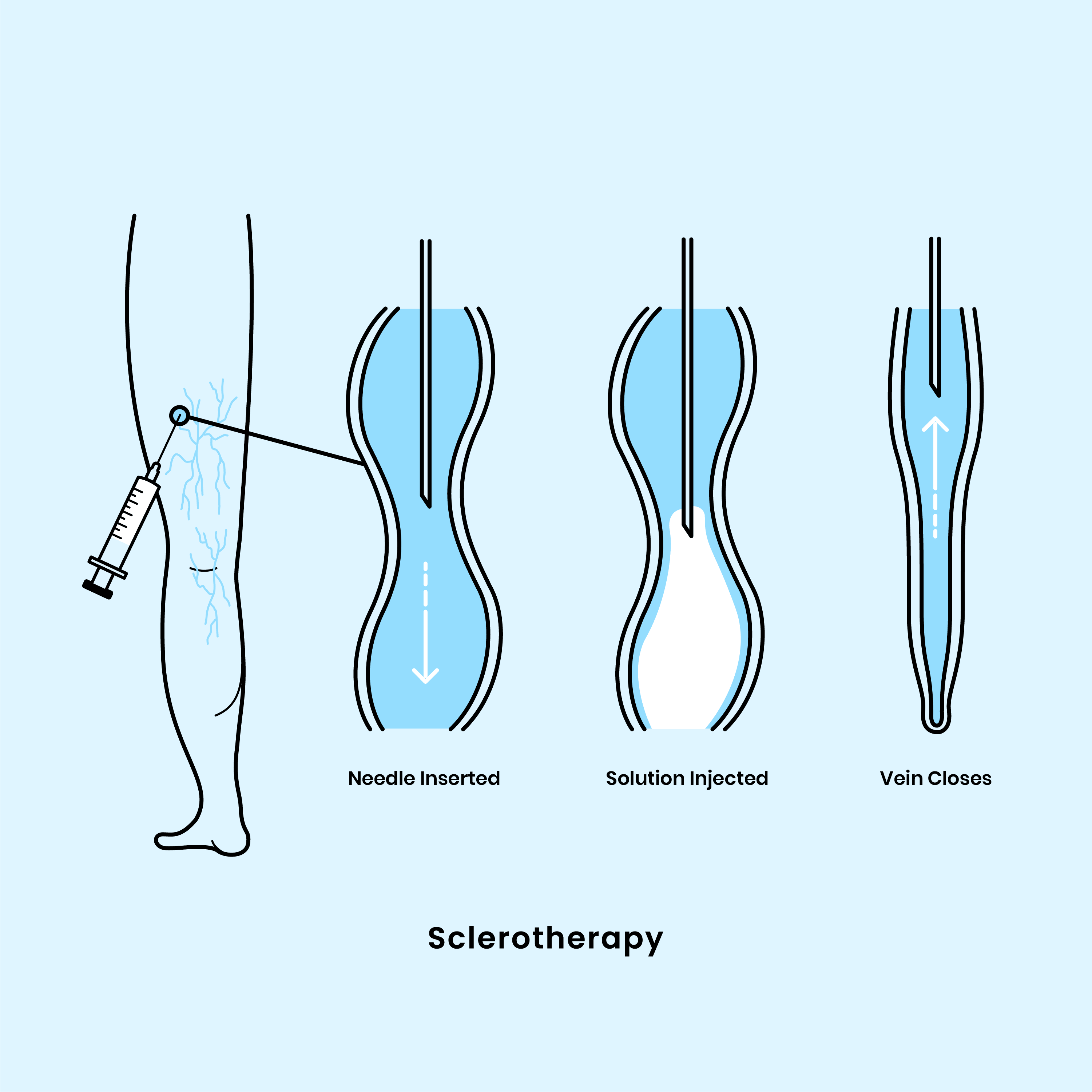
Here’s what to expect during your sclerotherapy appointment:
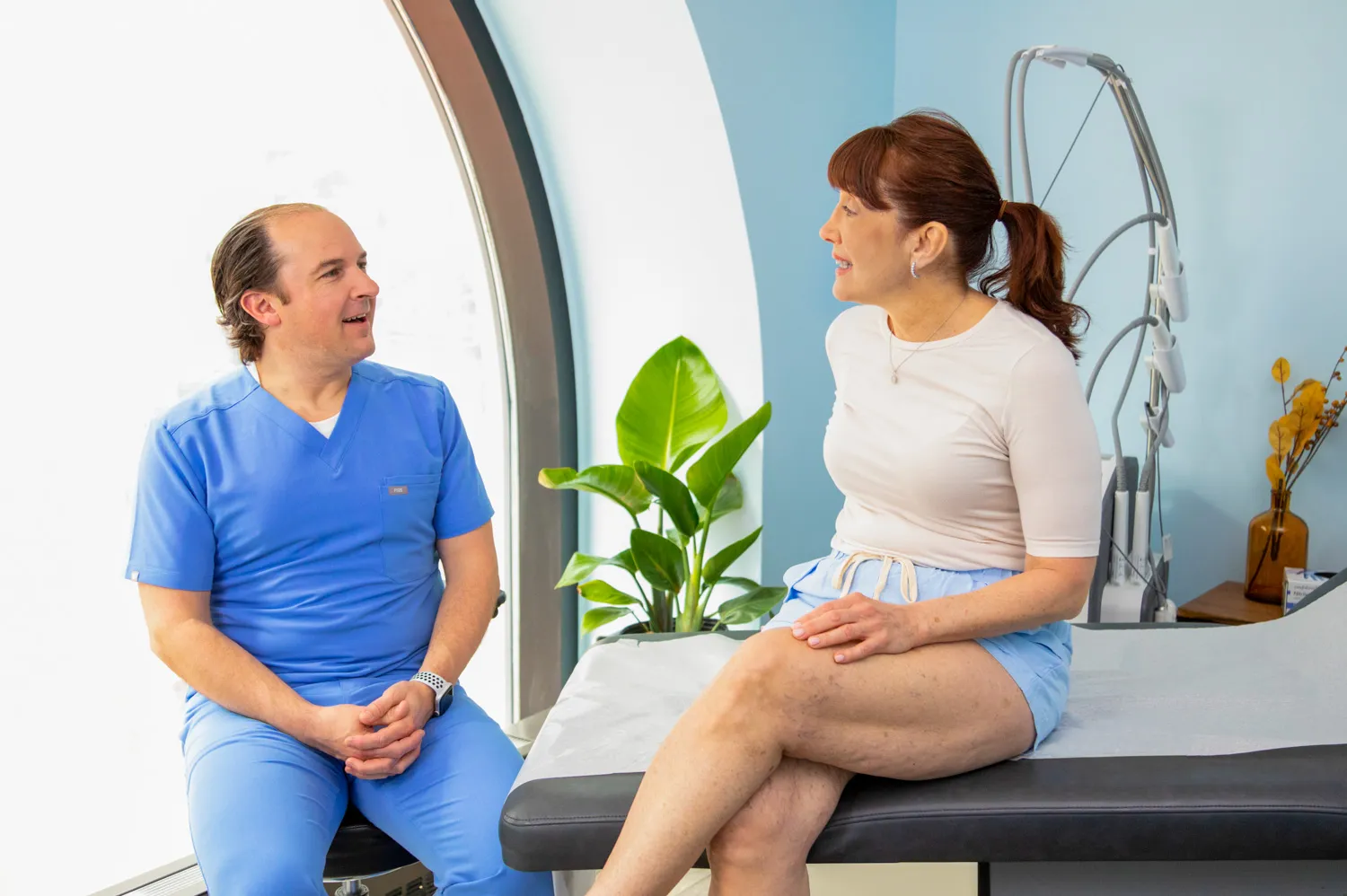
- Pre-Treatment Preparation: You may be asked to change into a gown and lie down on an examination table. The treatment area will be cleaned and sterilized to prevent infection.
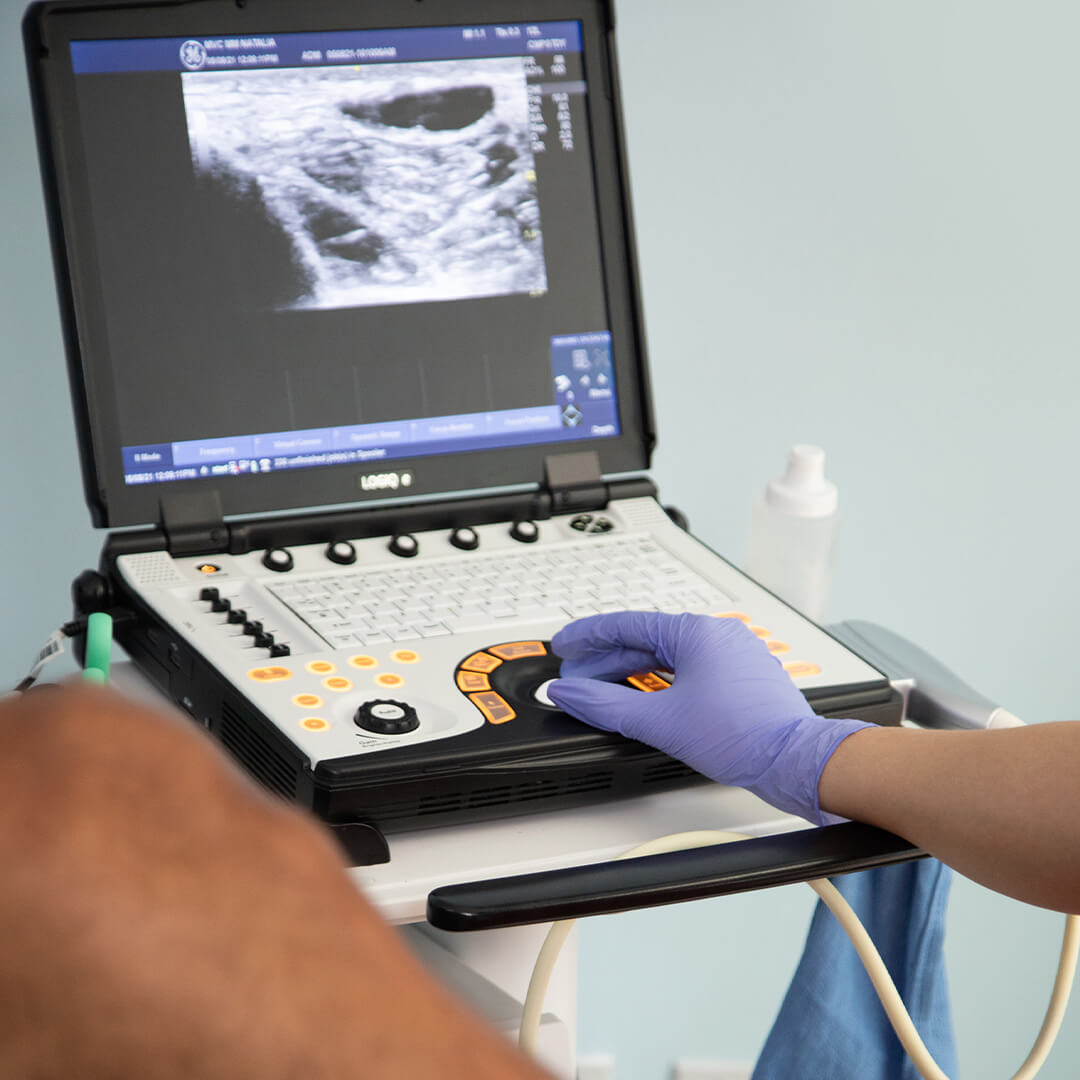
- Vein Mapping: Your doctor may use ultrasound imaging to precisely locate the veins that need treatment. This step ensures accuracy and helps plan the injection sites.
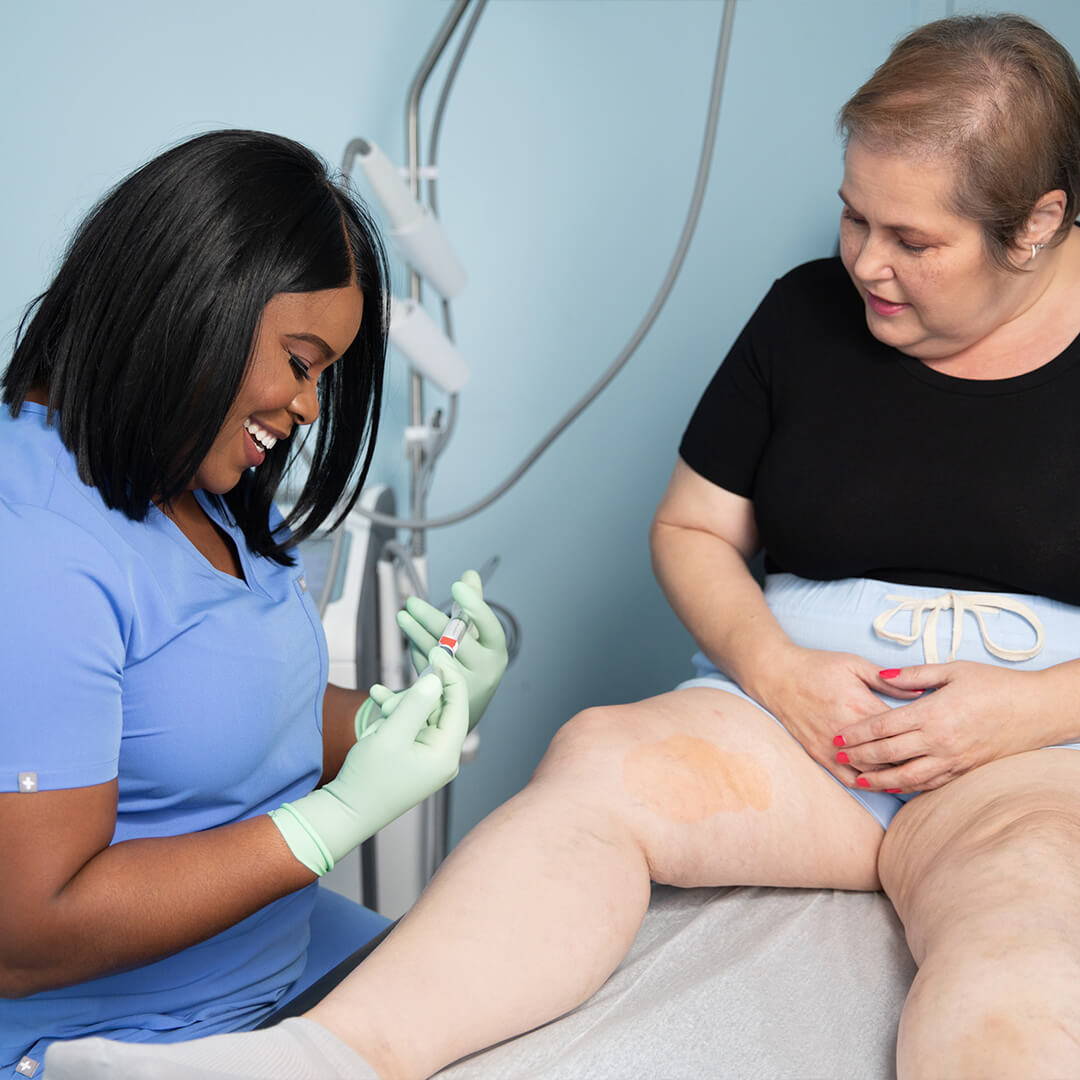
- The Injection Process: Using a very fine needle, your doctor will inject a sclerosing solution directly into the targeted veins. Most patients describe the sensation as small pinches or mild stinging. Most patients need multiple injection sites in a single session, since one injection typically treats about an inch of vein.
- Massage and Compression: Apply massage and compression to the treated area immediately after injection. You'll be asked to wear compression stockings and walk around for a short period. This helps promote blood flow and prevents blood clots.
- Leaving the Clinic: Sclerotherapy is an outpatient procedure, so you'll be able to leave the clinic immediately after treatment. Most patients can drive themselves home and return to normal activities the same day.
Sclerotherapy’s minimally invasive nature, combined with its proven efficacy, makes it a popular choice for those seeking to address unsightly or uncomfortable varicose and spider veins.
Book Your Free Vein Evaluation
Subject to insurance eligibility
Who Is a Good Candidate for Sclerotherapy?
Sclerotherapy treatment can be effective for many individuals with varicose and spider veins, but it's not suitable for everyone.
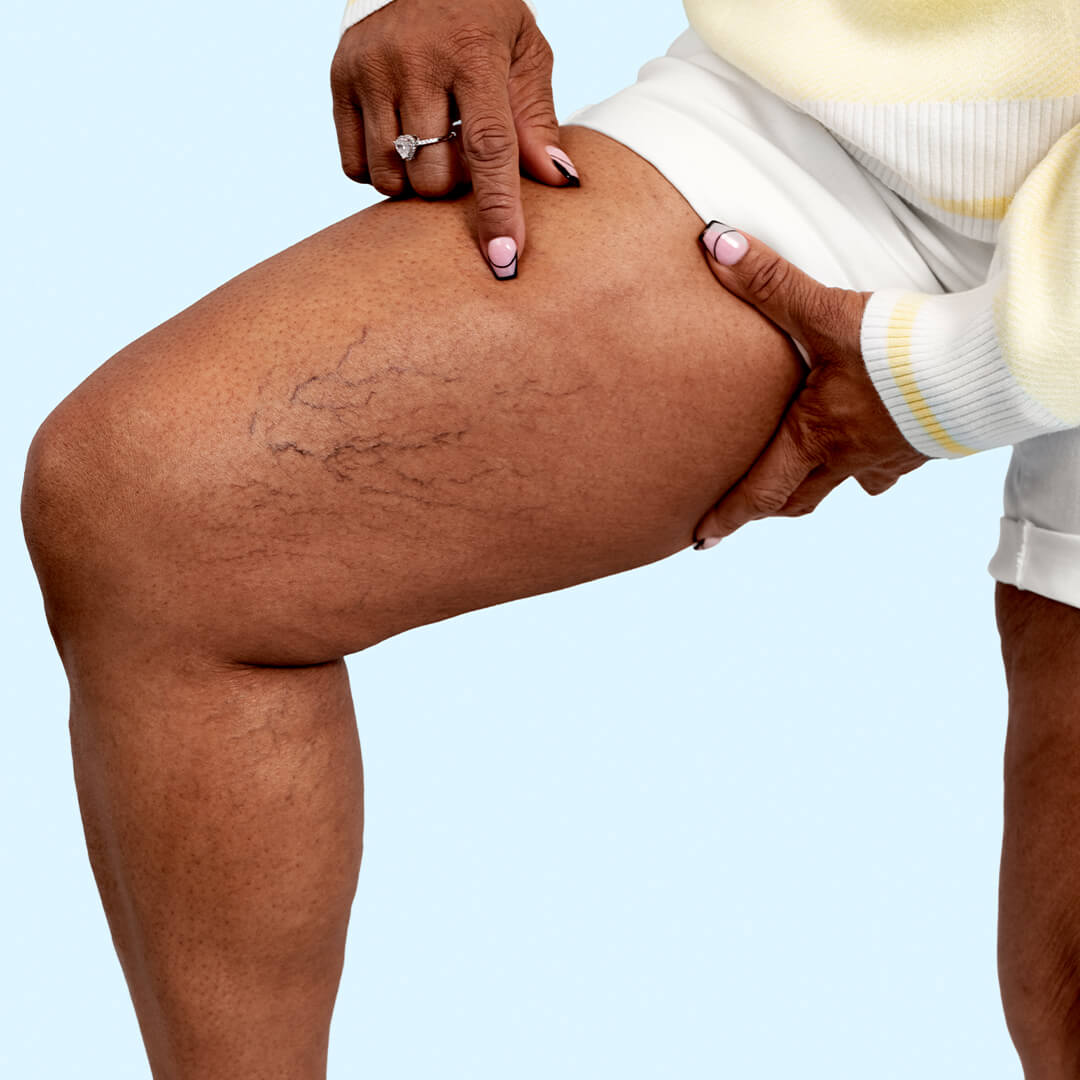
Here are the characteristics of ideal candidates for sclerotherapy:
- Vein Size and Type: Sclerotherapy works best for smaller spider veins and small-to-medium varicose veins. For larger, more bulging veins, ultrasound-guided sclerotherapy may be recommended.
- Overall Health: Those with a history of blood clots or certain clotting disorders may not be suitable for this treatment. Significant peripheral artery disease can also rule out treatment.
- Pregnancy or Breastfeeding Status: Women who are pregnant, trying to become pregnant, or have given birth or breastfed within the last 90 days are not considered good candidates. Sclerotherapy is generally avoided during pregnancy.
- Mobility: Patients should be mobile and able to walk regularly after treatment
- No Conflicting Medical Conditions: Patients should not have any medical conditions that could interfere with the treatment or healing process. For example, those who might need the affected veins for future bypass procedures may not be suitable candidates.
A vein specialist will confirm candidacy during your evaluation. A quick ultrasound can determine whether sclerotherapy or another treatment fits your specific veins best. Since sclerotherapy is typically a multi-session process, most patients need more than one treatment before results fully show. Follow-through matters too. Wearing compression stockings as directed and staying active afterward are essential in ensuring your best possible results.
Different Types of Sclerotherapy Treatments
Not all sclerotherapy is the same. Your vein specialist selects the approach based on vein size, depth, and location. Here are the different types of Sclerotherapy offered at our vein clinics:
- Traditional liquid sclerotherapy — a liquid solution for smaller, visible veins
- Foam sclerotherapy — solution mixed into foam for better contact with larger vein walls
- Ultrasound-guided sclerotherapy — ultrasound imaging guides injections into veins beneath the skin's surface
- Microsclerotherapy — a fine-needle technique for the smallest spider veins
- Polidocanol endovenous microfoam (PEM) — an FDA-approved microfoam formulation for larger varicose veins
- Catheter-directed sclerotherapy — solution delivered via catheter for larger or harder-to-reach veins
Sclerotherapy Recovery: What to Expect
You can typically return to work and regular activities the same day. To support healing:
Do:
- Wear compression stockings as directed by your provider
- Walk and stay lightly active — movement supports circulation and healing
- Avoid prolonged sun exposure on treated areas
Don't:
- Skip your compression stockings, even if the area feels fine
- Resume strenuous exercise or heavy lifting until your provider clears you
As you heal, you can generally expect fading of visible veins, reduced pain, improved leg appearance, and better circulation.
The number of sessions and the spacing between them depends on the size and extent of the veins being treated; most patients need 1–5 sessions (2–4 on average), spaced several weeks apart. Your vein specialist may recommend a follow-up visit to check your progress.
Side effects: Sclerotherapy is extremely safe with few side effects. Some patients experience: temporary bruising, skin soreness, redness, stinging, or cramping during or shortly after injection. Darkened skin at the injection site can also occur. This typically resolves within days to weeks, though in some patients it can persist longer.
Sclerotherapy vs. Other Vein Treatments
Sclerotherapy treats the surface veins you can see, but unlike endovenous laser ablation (EVLA) or microphlebectomy, it does not treat the underlying venous insufficiency that can occur in larger veins beneath the surface. If an ultrasound evaluation shows an underlying cause, your vein specialist may recommend pairing sclerotherapy with another treatment.
What Sclerotherapy Treats


Vein Treatment FAQs
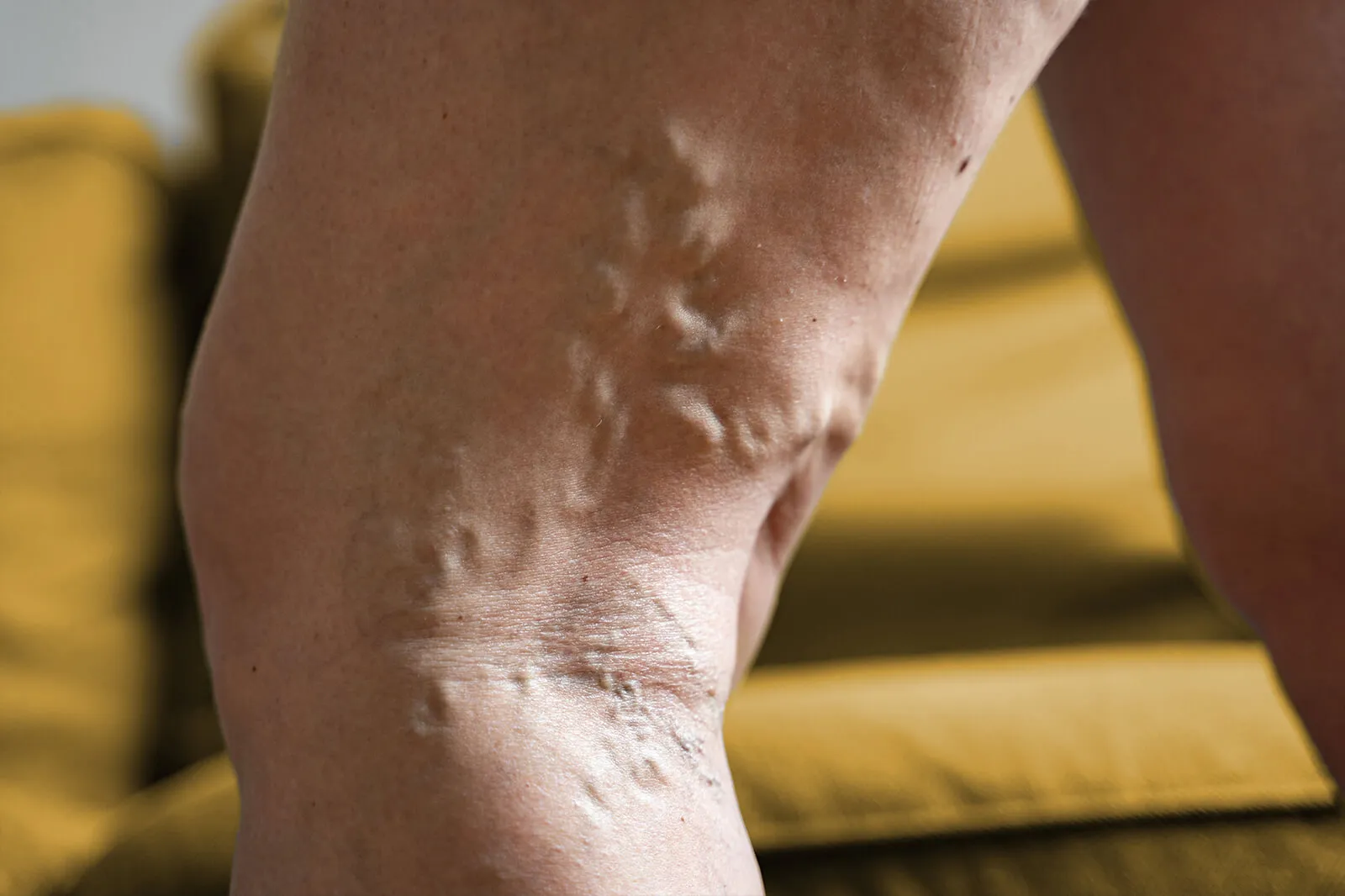
Sclerotherapy targets small-to-medium surface veins, treating both cosmetic spider veins and symptomatic varicose veins. Not sure which type you have?
Your provider may use traditional liquid, foam, ultrasound-guided, microsclerotherapy, polidocanol endovenous microfoam (PEM), or catheter-directed sclerotherapy depending on your veins. Wondering how it compares to laser treatment?
Most healthy adults who are not pregnant or breastfeeding, are mobile, and can follow post-treatment care instructions are good candidates. A vein specialist confirms candidacy with an ultrasound evaluation.
Sessions last 15–30 minutes, downtime is minimal (return to work immediately), the treatment is extremely safe with few side effects, multiple veins can be treated per visit, and results are visible soon after treatment.
Most patients describe the injections as small pinches or mild stinging rather than significant pain.
A typical sclerotherapy session lasts between 15 to 30 minutes, though this can vary based on how many veins are being treated. For cosmetic sclerotherapy it takes 15 minutes for mild to moderate spider veins, and 30 minutes for severe spider veins and/or varicose veins.
Most patients need 1–5 sessions (2–4 on average), spaced several weeks apart, depending on the size and extent of the veins being treated.
You can return to work and normal activities the same day. Your provider will recommend compression stockings, light walking, and avoiding prolonged sun exposure on treated areas until healed. A follow-up visit may be recommended to check your progress.
After sclerotherapy, patients can expect significant improvement in treated veins. Results typically include fading of visible veins, reduced pain, improved leg appearance, and better circulation. Timelines vary by vein type: spider veins typically show visible improvement within a few weeks, while larger veins may take 3–4 months or longer to fully clear. Multiple sessions may be needed for optimal results. While highly effective, some veins might require additional treatments. Your vein specialist can give you a more specific timeline based on your treatment plan.
No — sclerotherapy treats the surface veins you can see. Unlike EVLA or microphlebectomy, it doesn't address underlying venous insufficiency in larger veins. Your provider may recommend pairing treatments if an ultrasound shows an underlying cause. Left untreated, underlying vein disease can progress — see Why Untreated Vein Disease Progresses.
Temporary bruising, soreness, redness, stinging, or darkened skin at the injection site are the most common side effects, typically resolving within days to weeks.
Varicose vein treatment is often covered as medically necessary; spider vein treatment is generally considered cosmetic and typically not covered.
Sclerotherapy for spider veins is generally $225 for a 15-minute session and $425 per 30 minute session, with most patients needing 1–3 sessions. An ultrasound evaluation determines insurance eligibility for varicose vein treatment.
Book a free evaluation today to get started on your custom treatment plan in New York, New Jersey, Michigan, Connecticut, Texas, Arizona, Illinois, Georgia, or Pennsylvania.
All Vein Treatments





![Woman sitting on a couch holding her leg in discomfort]() 7 Min Read
Diabetes and Vein Health: How Diabetes Affects Your Veins
![Dr. Philip LoPresti, board-certified vein specialist in New York and Chief Medical Officer at Metro Vein Centers.]()
Dr. Philip LoPresti
![Metro Vein Centers clinic waiting area with yellow seating and front desk]() 8 Min Read
Best Vein Clinics in Dallas, TX
![]()
Metro Vein Centers Editorial Team
![Exam room with a treatment table at the Metro Vein Centers Midtown Manhattan clinic]() 7 Min Read
Best Vein Doctors & Clinics in Manhattan, NYC
![]()
Metro Vein Centers Editorial Team
![Delve into how genetic predispositions contribute to venous diseases like varicose veins and deep vein thrombosis, and understand the implications for diagnosis and treatment.]() 8 Min Read
Are Varicose Veins Genetic? What Family History Means for Your Veins
![Dr. Philip LoPresti, board-certified vein specialist in New York and Chief Medical Officer at Metro Vein Centers.]()
Dr. Philip LoPresti
![Overhead view of a Thanksgiving table with roast turkey, roasted vegetables, cranberry sauce and pumpkin pie]() 5 Min Read
Healthy Thanksgiving Recipes for Vein Health
![Dr. Philip LoPresti, board-certified vein specialist in New York and Chief Medical Officer at Metro Vein Centers.]()
Dr. Philip LoPresti